What Is Print On Demand – And How Does It Compare To Dropshipping?

Every year, thousands of people search for the simplest way to start an online business without spending a fortune upfront. Two models always come up: print on demand and dropshipping. They look similar on the surface – no warehouse, no inventory, no shipping headaches. But dig a little deeper and they are actually quite different businesses with different skill requirements, profit ceilings, and long-term potential.
So what is print on demand, exactly? And how does it stack up against dropshipping – the model that platforms like AliDropship have helped over 200,000 store owners build into real income? This guide breaks it all down without the hype.
Quick Answer: Print on demand is a model where products – typically apparel, mugs, or posters – are custom-printed after a customer places an order. Dropshipping, by contrast, lets you sell a vast range of ready-made products from global suppliers without ever touching inventory. Both eliminate upfront stock costs, but they suit very different types of sellers.

What is print on demand?
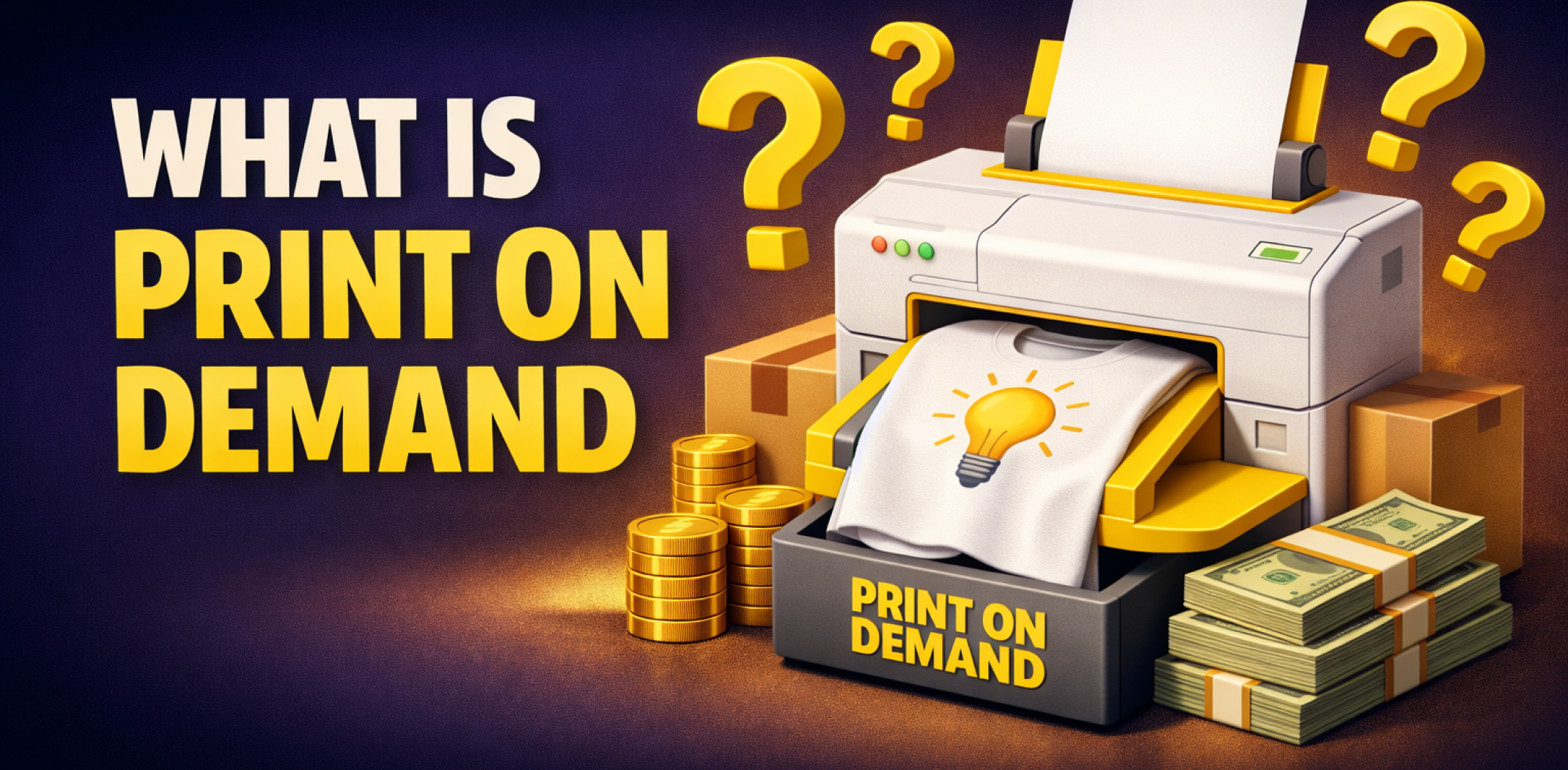
Print on demand – often shortened to POD – is a fulfillment model where products are created individually, only after a customer buys one. You upload a design, apply it to a blank product (a t-shirt, hoodie, tote bag, mug, poster, phone case), and a third-party supplier handles the printing and shipping. You never touch the product, never prepay for stock, and never deal with unsold inventory.
The most popular POD platforms today include Printful, Printify, Gelato, and Gooten. You connect them to a storefront – usually on Etsy, Shopify, or Amazon – and every order flows from the customer directly to the printer. The supplier ships under your brand, the customer receives their item, and you keep the margin between your retail price and the printing cost.
Why this works in 2026: Buyers increasingly want personalized, unique products. The global print on demand market was valued at around $13 billion in 2025 and is projected to reach over $100 billion by 2034 – growing at roughly 26% per year. Custom-printed products are no longer a niche; they are a mainstream retail category.
That said, POD is not the same as dropshipping, even though many people – and even some platforms – use the terms interchangeably. Understanding where they overlap and where they diverge is crucial before you decide which path to take.
How much can you realistically earn with each model?
Both models have real earning potential, but the ceilings – and the paths to get there – are very different. Here is an honest look at how the numbers typically play out:
These figures are typical ranges, not guarantees. Both models require real work, a clear niche, and consistent marketing effort to reach the upper end of any range.
One note on these figures: The top earners in either model typically spent 60–90 days testing, refining, and reinvesting before hitting consistent monthly revenue. Anyone claiming you will earn thousands in your first week is overstating it. Most beginners in POD earn $50–$200 in their first month; most dropshipping beginners earn $100–$500. Growth accelerates once you find winning products and a traffic channel that works for your store.
Profit margins also differ significantly. POD products often carry margins of 20–30% on average – some niche designs push 40–60% when you can justify a premium price. Standard dropshipping margins typically run 15–35%, but the advantage is volume: you can sell a much broader catalog and scale winners quickly without any design work involved.
Print on demand vs dropshipping: The core differences
Both models remove inventory and upfront stock costs from the equation. Beyond that shared foundation, they work very differently. Here is how each one performs across the factors that matter most to a new seller.
Product variety and catalog size
This is where the gap is most obvious. With print on demand, your catalog is limited to what a printer can put a design on – t-shirts, mugs, tote bags, posters, phone cases, hoodies, and a handful of other printable products. That is a meaningful selection, but it is a narrow lane compared to what dropshipping opens up.
With dropshipping, you can sell virtually anything – electronics, home decor, fitness gear, pet supplies, kitchen tools, beauty products, outdoor equipment, and tens of millions of other items from AliExpress and similar wholesale sources. Your product catalog can be as large or as focused as you want it to be. That flexibility is a major competitive advantage when you are testing niches or scaling a general store.
Startup costs and risk
Both models are genuinely low-cost to start. With POD, you can technically begin for free – many platforms charge nothing until you make a sale. The design tools you need (Canva, Kittl, or free AI image generators) cost little to nothing. Your real cost is time: time spent creating designs, writing product listings, and building organic traffic through Etsy or social media.
Dropshipping also starts with minimal inventory risk, since you only pay suppliers after a customer pays you. However, it typically requires more upfront investment in advertising. Running paid ads on Meta or Google while you are testing products is where most beginners spend money early on – and those costs can add up before you find a winning product. Platforms like AliDropship offset this with built-in marketing tools that help you drive traffic without relying entirely on paid ads from day one.
Branding and competitive differentiation
Print on demand has a real edge here. Because your designs are original, your products are unique – no competitor can list the exact same item with the same artwork. If you build a strong brand identity around your designs and connect with a niche audience, you can charge premium prices and create genuine customer loyalty. This is why POD works especially well for creators, artists, and community-driven brands.
Dropshipping, on the other hand, often involves selling the same products that dozens of other stores carry. Your differentiation comes from marketing, pricing, store presentation, and customer service – not from the product itself. That is a legitimate way to build a business, but it means your moat is in your execution rather than your exclusivity.
Important note: The good news for dropshippers is that product differentiation through niche selection is very powerful. A dropshipping store focused on a specific hobby or interest – fishing, van life, succulent gardening – can build a brand around curation and community rather than unique product design.
Fulfillment speed and shipping experience
This is an area where both models face scrutiny – but for different reasons. With POD, every item is made to order, which adds production time before shipping even begins. A typical POD order takes 2–7 business days just to print, then additional time to ship. For customers accustomed to next-day delivery, that timeline can cause friction. Clear communication about production times is essential.
With dropshipping from AliExpress or similar overseas suppliers, the challenge has historically been long international shipping times. However, that gap has narrowed significantly in recent years thanks to ePacket shipping, AliExpress Standard Shipping improvements, and the option to work with US-based or EU-based warehouses for faster delivery. AliDropship specifically offers access to suppliers with faster fulfillment options, which helps address the customer experience issue head-on.
Scaling potential
Here is where dropshipping – particularly with the right platform – pulls ahead. Scaling a POD business means creating more designs, listing across more platforms, and growing organic traffic. That is a slow, iterative process. Revenue grows steadily, but hitting five figures per month requires a lot of designs and a lot of traffic.
Dropshipping can scale faster because you can multiply your winning products quickly with paid advertising, expand into new product categories without creative work, and build a multi-product store that serves a broad audience. With automation tools handling order processing, you can run a high-volume store without proportionally more labor. That scalability is one of the main reasons experienced ecommerce sellers tend to favor dropshipping as a long-term model.
A side-by-side comparison of print on demand vs dropshipping
Neither model is objectively better. The right choice depends entirely on your skills, goals, and how you plan to drive traffic to your store.
Tips for making either model work in 2026
Pick a niche before you pick a platform
The biggest mistake new sellers make in both models is starting with the platform rather than the audience. Whether you are designing POD t-shirts or building a dropshipping store, your niche determines everything – your marketing channels, your product selection, your pricing power, and your ability to build a loyal repeat customer base. Go as specific as you can. “Dog owner gifts” is better than “pet products.” “Gifts for left-handed people” is better than “novelty gifts.”
Treat traffic as a skill, not a one-time task
Both models live or die on traffic. POD sellers typically rely on Etsy SEO, Pinterest, and TikTok content. Dropshipping sellers often use Meta ads, Google Shopping, and influencer partnerships. In either case, getting consistent traffic to your store is an ongoing practice, not something you set up once and forget. Budget time – not just money – for your marketing every week.
Test before you scale
In POD, that means launching 20–30 designs and seeing which ones get organic impressions and clicks before investing in promoted listings. In dropshipping, it means running small test ad budgets on 3–5 products at a time, identifying the winners, and only scaling spend on what is already converting. The fastest way to fail in either model is scaling something that has not been validated yet.
Do not ignore your store design and trust signals
A well-designed store with clear product photography, a professional logo, an About page, and visible customer reviews converts significantly better than a bare-bones template. This is true for both POD and dropshipping stores. Tools like AliDropship provide ready-built, optimized store designs that eliminate this barrier entirely – your store looks professional from day one, which translates directly into higher conversion rates.
Consider combining both models
Some of the most successful sellers in 2026 are not choosing one model exclusively – they are layering them. A dropshipping store in the fishing niche, for example, might sell tackle and rods as standard drop-shipped products while also offering POD items like custom fishing t-shirts and personalized mugs. The branded POD products build emotional connection and loyalty; the dropshipped products increase average order value. It is a legitimate hybrid strategy worth exploring once you have one model working.
What to avoid in either model
Both print on demand and dropshipping have pitfalls that trip up new sellers regularly. Here is what to steer clear of:
Key principle: Build a real business – one that could survive a supplier change, a platform algorithm update, or a competitor undercutting your price. That means building your own customer list, your own brand assets, and your own traffic channels from day one.
In print on demand, the most common mistakes are: uploading designs that closely resemble trademarked logos or characters (a fast path to account termination and legal exposure), copying competitor designs rather than creating original work, and setting prices so low that there is no margin left after the printing fee and platform commission. Always check that your designs are original, and price for profit – not just for sales volume.
In dropshipping, the main traps are: selling counterfeit products or items that violate brand trademarks, making shipping time promises you cannot keep, and ignoring customer service until negative reviews accumulate. Work only with verified suppliers, be transparent about delivery timelines in your product listings, and respond to customer inquiries promptly. Your reputation is your most valuable long-term asset in ecommerce.
Important: Avoid any platform or supplier that asks you to misrepresent the product origin or describe drop-shipped items as manufactured by your own company. Transparency with customers is both a legal requirement and a trust foundation that pays off over time.
Which model is right for you?
The honest answer depends on who you are and what you want from the business. Here is a quick breakdown by seller profile:
Complete beginner with no design experience
Dropshipping is probably the easier entry point. You do not need to create anything – your job is to find products, build a store, and drive traffic. With AliDropship, the entire setup is handled for you: you get a turnkey store, pre-loaded products, and a $100 voucher to use toward your first steps. You are selling real, in-demand products from day one without a steep creative learning curve.
Creative person with a following or niche audience
Print on demand may be worth exploring if you already have an audience – even a small one – that is enthusiastic about a specific topic, art style, or community. If you have 500 engaged Instagram followers who love your wildlife photography, a POD store selling nature-themed prints and apparel is a natural extension. Your designs are the product, and your existing audience is your first traffic source.
Part-time seller with limited hours per week
Both models can work part-time, but automation is key. Dropshipping with a tool like AliDropship – which automates order processing, inventory syncing, and fulfillment tracking – requires significantly less daily time once your store is set up and generating consistent orders. POD requires ongoing design work and listing updates to maintain momentum, which can be harder to sustain with limited hours.
Advanced seller aiming for full-time income
If your goal is to replace a full-time salary – which typically means clearing $3,000–$5,000+ per month in profit – dropshipping offers a more direct path at scale. The ability to list hundreds of products across multiple niches, run paid ad campaigns, and automate operations makes it easier to build the volume you need. Most full-time POD sellers spend 2–3 years reaching that income level; most serious dropshipping stores get there in 12–18 months with consistent effort and a solid product research process.
AliDropship: Your complete all-in-one solution for starting dropshipping in 2026
If you want the simplest possible way to start dropshipping – especially if you’re brand new – AliDropship remains one of the most beginner-friendly tools available in 2026. It brings together store creation, product imports, automation, and marketing into a single streamlined system designed to help you launch quickly and grow confidently.
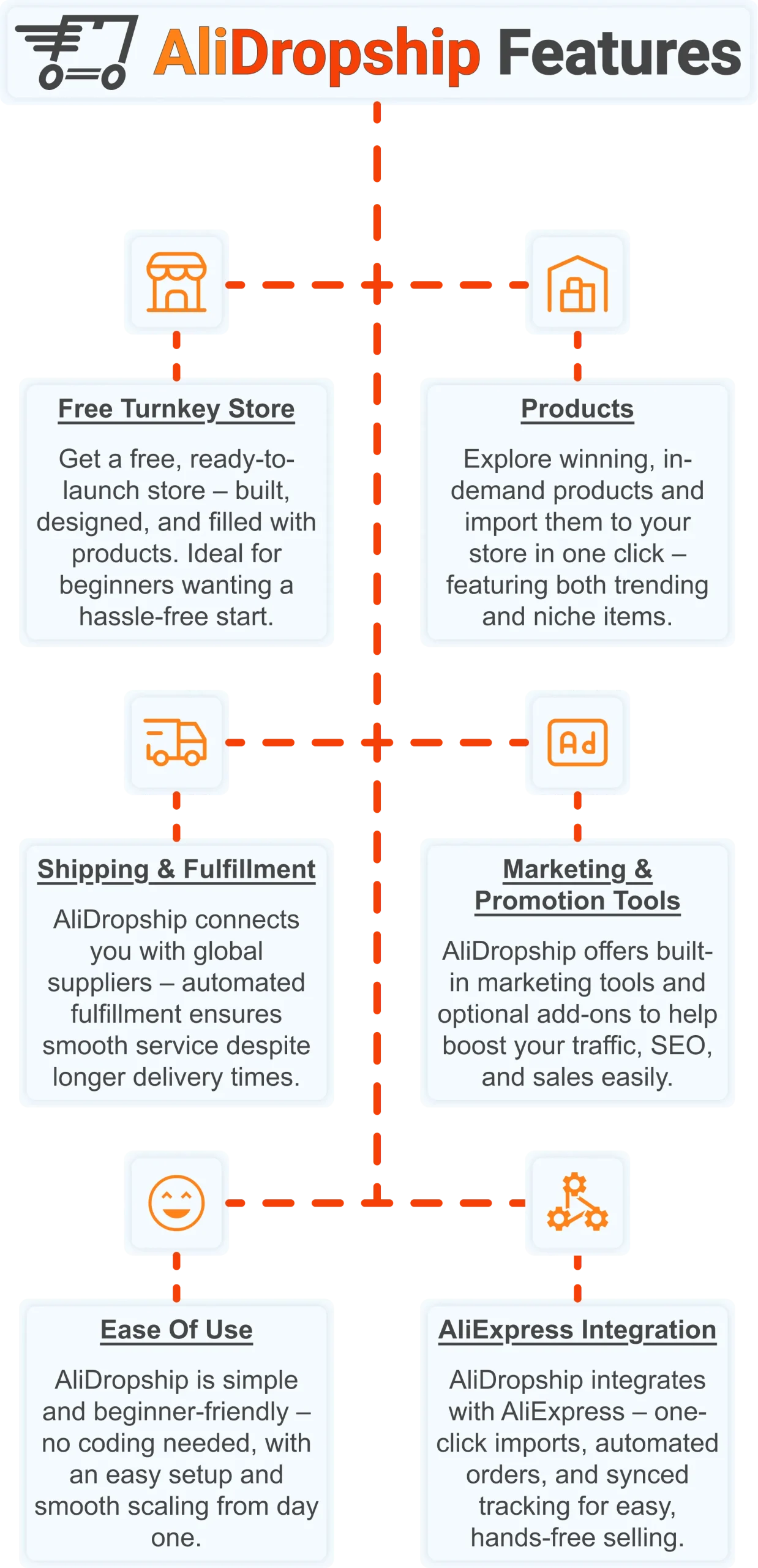
Free turnkey store 🛍️
Get a free turnkey store – built, designed, and filled with products. Ideal for beginners wanting a hassle-free start, the store comes fully optimized to attract customers right away, saving you time on setup. Plus, it includes professional design elements to give your business a polished, trustworthy look from day one. This ready-made foundation makes it easy to move seamlessly into product selection.
Products 📦
Once your store is set up, you can explore winning, in-demand products and import them in one click – featuring both trending and niche items. This wide selection lets you cater to diverse customer interests and test what works best. Regular updates ensure you always have fresh products, keeping your store competitive and relevant. With great products in place, smooth shipping becomes the next essential step.
Shipping & fulfillment 🚚
AliDropship connects you with global suppliers, and automated fulfillment ensures seamless order processing despite international delivery times. Customers receive real-time tracking updates, which builds confidence and trust in your store. Once shipping is handled reliably, you can focus on promoting your store and attracting traffic.
Marketing & promotion tools 📣
To maximize sales, AliDropship offers built-in marketing tools and optional add-ons that help boost traffic, SEO, and conversions. From email campaigns and discounts to social media integration, these tools empower you to reach and retain customers without needing prior marketing experience. With promotion strategies in place, managing your business becomes simpler and more efficient.
Ease of use 👌
AliDropship is beginner-friendly – no coding needed, with an intuitive dashboard that guides you through every step. Easy setup and smooth scaling let you expand your store without stress. As your business grows, adding new features, products, and marketing campaigns remains hassle-free, giving you more time to focus on sales.
AliExpress integration 🛒
Finally, AliDropship integrates seamlessly with AliExpress, enabling one-click imports, automated orders, and synced tracking. Your inventory stays up-to-date with the latest products and prices, while automated order processing frees you from manual tasks. Combined with the turnkey setup, reliable shipping, and built-in marketing tools, this integration ensures your dropshipping business is fully equipped for growth and success.
Dropshipping gives you something print on demand simply cannot – an unlimited product catalog, fast scalability, and a proven automation system that works while you sleep. Get your free turnkey AliDropship store and start building real ecommerce income today.
What is print on demand and how does it work?
Is print on demand more profitable than dropshipping?
Can you do print on demand and dropshipping at the same time?
What are the best products to sell with print on demand?
How long does it take to make money with print on demand?